
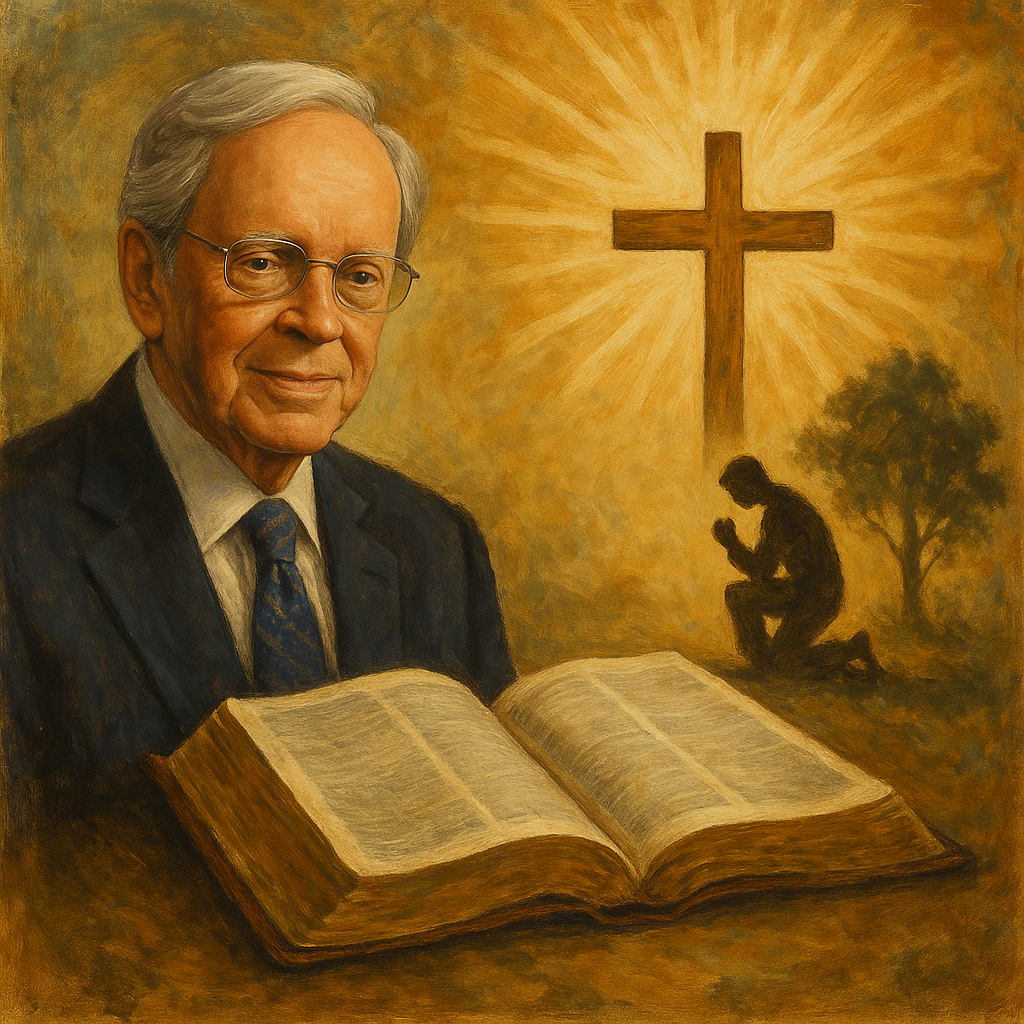
In the tapestry of modern Christianity, few threads shine as brightly as that of Charles Stanley. A pastor, author, and television evangelist, Stanley’s life is a testament to unwavering faith and profound wisdom. Born in 1932 in rural Dry Fork, Virginia, his path to becoming one of the most influential figures in the Christian community is filled with personal trials, triumphs, and an unshakeable belief in God’s guidance. As we delve into his life, we will explore some of his most impactful quotes and the legacies they foster, leaving us with lessons that resonate deeply across generations.
Charles Stanley’s journey began in a small town, where he nurtured his faith from a young age. After serving in the U.S. Army during the Korean War, he pursued his education in theology, earning a degree from the Southwestern Baptist Theological Seminary. His dedication led him to become the senior pastor of First Baptist Church in Atlanta, Georgia, where he served for over 40 years. His leadership not only transformed the church but also established it as a beacon of hope for countless individuals navigating the challenges of life.
Stanley’s formative years were not devoid of struggle. In 2000, he faced significant personal challenges with a divorce that shook his ministry and tested his faith. However, he emerged from this experience with a renewed understanding of grace and forgiveness, themes that his teachings often reflect. In his quote, “God is not going to give you a task that you cannot do,” he encapsulates his belief in divine purpose amidst adversity. This perspective not only encouraged his congregation but also provided a framework for many who found themselves grappling with their own life challenges.
Charles Stanley’s quotes often serve as guiding lights, encouraging individuals to seek a deeper connection with their faith. One of his most poignant sayings is, “Obey God and leave all the consequences to Him.” This quote speaks volumes about the essence of trust and surrender in one’s spiritual journey. It invites believers to focus on obedience rather than the unpredictability of outcomes, a theme that resonates with anyone navigating uncertainty.
In dissecting this quote, it becomes clear that Stanley advocates for a faith that is active, dynamic, and deeply rooted in trust. He often emphasized the importance of prayer and listening to God’s voice in making life decisions. By advocating for obedience without the burden of controlling outcomes, Stanley empowers individuals to embrace their faith with courage, knowing that they are guided by a higher power.
His wisdom does not stop there; another powerful quote, “The greatest gift you can give to others is your own happiness,” reflects his understanding of the ripple effect of a joyful spirit. This sentiment underscores the importance of self-care, reminding us that our well-being contributes to the happiness of those around us. In a world often overshadowed by stress and anxiety, these words serve as a gentle reminder to cultivate joy within ourselves as a means of service to others.
Charles Stanley’s impact extends far beyond the walls of his church. Through his television program, “In Touch with Dr. Charles Stanley,” he reached millions around the globe, sharing messages of hope, faith, and resilience. His books, including “The Wonderful Spirit-Filled Life” and “How to Listen to God,” have inspired readers to deepen their understanding of spiritual disciplines and the importance of a personal relationship with God.
Stanley’s legacy is not merely one of sermons and teachings; it is encompassed in the lives he has touched and the leaders he has mentored. His influence resonates within the hearts of those who strive to embody the principles of love, grace, and faith that he so passionately preached. He leaves behind a treasure trove of teachings that serve as a roadmap for navigating life’s complexities.
In reflecting on the life and wisdom of Charles Stanley, we find ourselves invited to engage with our own faith and understanding of purpose. His profound quotes challenge us to trust in God’s plan, cultivate joy, and spread happiness. Just as Stanley modeled throughout his life, we are called to overcome obstacles with grace and to remain steadfast in our commitment to our beliefs.
As we navigate our own journeys, let us carry forward the wisdom of Charles Stanley, fostering a spirit of obedience, happiness, and love. In doing so, we not only honor his legacy but also enrich our lives and the lives of those we encounter. After all, in the words of Stanley, “The Lord is my shepherd; I shall not want”—a reminder that His guidance is always present, encouraging us to find peace in every step we take.