
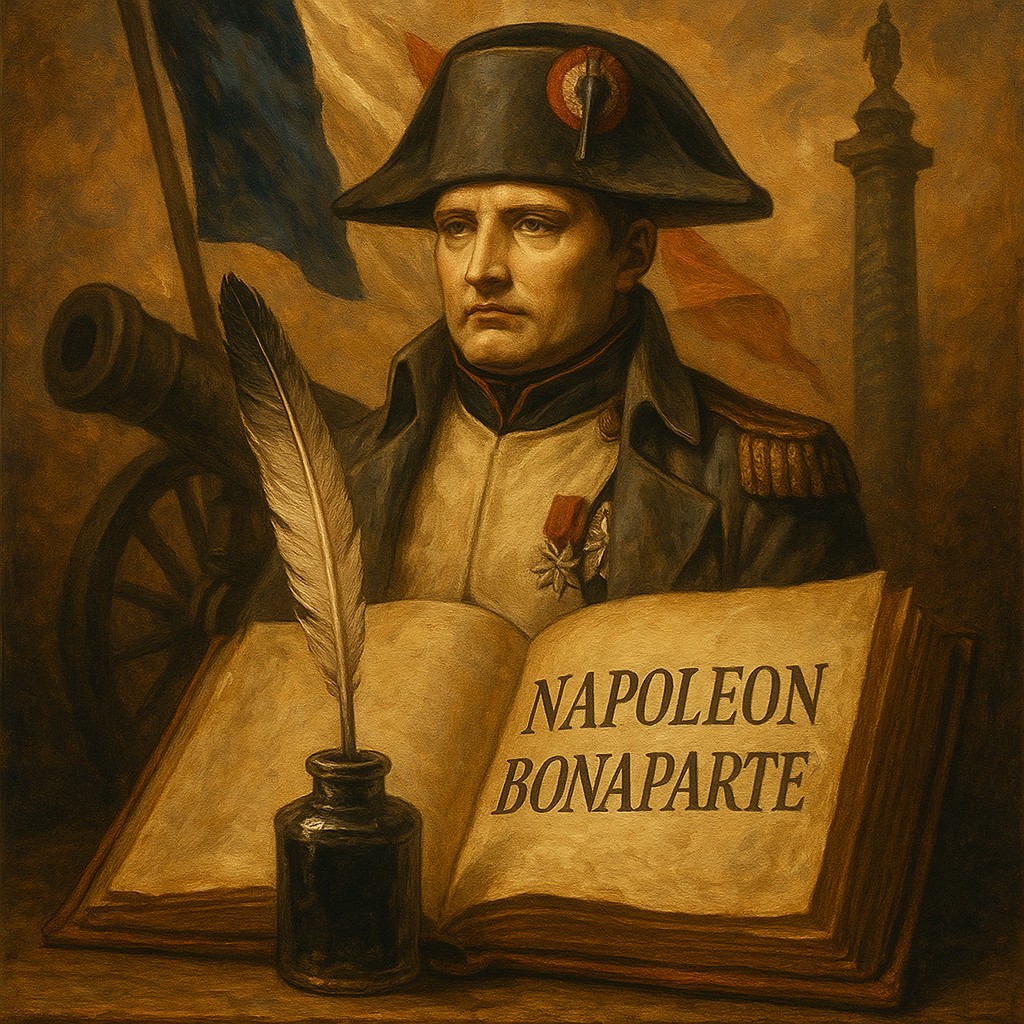
Napoleon Bonaparte—the name itself evokes images of grand battles, strategic genius, and an empire that redefined the map of Europe. Born on August 15, 1769, in Corsica, Napoleon emerged from humble beginnings to become one of history’s most influential figures. His life was a tapestry woven with ambition, triumph, and ultimately, tragedy. Yet, within this complex narrative lies a treasure trove of wisdom encapsulated in his quotes. These words, often reflecting his indomitable spirit and keen insights into power, leadership, and human nature, continue to resonate today. Join me as we explore the life of this remarkable man, the meaning behind his enduring quotes, and the legacy that he has left behind.
Napoleon’s early life was marked by a blend of privilege and struggle. The son of a modest lawyer, he was sent to mainland France for his education, where he quickly distinguished himself as a brilliant student. His influence in the military began with his artillery training, which would serve him well in the tumultuous years that followed. By 1799, he had risen to prominence as a military leader during the French Revolutionary Wars, showcasing a rare combination of tactical brilliance and charismatic leadership.
In 1804, he crowned himself Emperor of the French, a moment that would symbolize not just his power but also his complex relationship with authority. Napoleon’s ambition drove him to implement wide-ranging reforms in government, law, and education, establishing the Napoleonic Code, which still influences legal systems worldwide. However, his relentless quest for power led to devastating campaigns across Europe, culminating in his fateful invasion of Russia in 1812. This marked a turning point; the once-unstoppable emperor faced a disastrous defeat that led to his exile.
Though he returned briefly to reclaim his throne during the Hundred Days, his final defeat at the Battle of Waterloo in 1815 sealed his legacy. Exiled to the remote island of Saint Helena, Napoleon spent his last years reflecting on his life and the choices that shaped it. His death on May 5, 1821, brought an end to a life that was as controversial as it was transformative.
Napoleon Bonaparte was not just a military leader; he was also a profound thinker whose quotes reveal his understanding of power, human ambition, and the intricate dance of destiny. One of his most famous quotes, “Impossible is a word to be found only in the dictionary of fools,” encapsulates his audacity. Here, Napoleon emphasizes the importance of relentless determination, a mindset that propelled him to the heights of power. This quote inspires those who strive for greatness, reminding us that limitations are often self-imposed.
Another powerful reflection comes from his assertion, “A soldier will fight long and hard for a bit of colored ribbon.” This statement delves deep into the human psyche, suggesting that our motivations often extend beyond mere survival or financial gain. For Napoleon, honor, recognition, and loyalty were crucial drivers of human behavior, a realization that resonates in contemporary leadership and personal relationships.
Through his quotes, Napoleon reveals his understanding of the delicate balance between ambition and moral responsibility. One might ponder: What does it mean to wield power? His quotes challenge us to question our values and the ethics of our pursuits, urging us to strive for a legacy that outlasts our time on this earth.
Napoleon Bonaparte’s influence stretches far beyond the military. His legal reforms laid the foundation for modern legal systems, while his administrative innovations transformed state governance. What remains particularly compelling about Napoleon is how his life story and quotes continue to weave into the fabric of modern leadership.
In today’s world, leaders, entrepreneurs, and visionaries often draw inspiration from his determination and strategic thinking. His life serves as a stark reminder that greatness comes with sacrifice and complexity. The quotes of Napoleon are a testament to this, encapsulating not only his aspirations but also the lessons learned from his victories and defeats.
In conclusion, the life of Napoleon Bonaparte is a rich narrative filled with ambition, wisdom, and an unyielding quest for greatness. His quotes continue to inspire us to challenge the boundaries of what is possible, encouraging us to embrace our ambitions while remaining mindful of our responsibilities. As we reflect on his legacy, let us remember that while our paths may be fraught with challenges, the spirit of resilience and determination can lead us to extraordinary heights. After all, as Napoleon once said, “The strong man is the one who is able to intercept at will the communication between the senses and the mind.” May we all strive to master that communication in our own lives.