
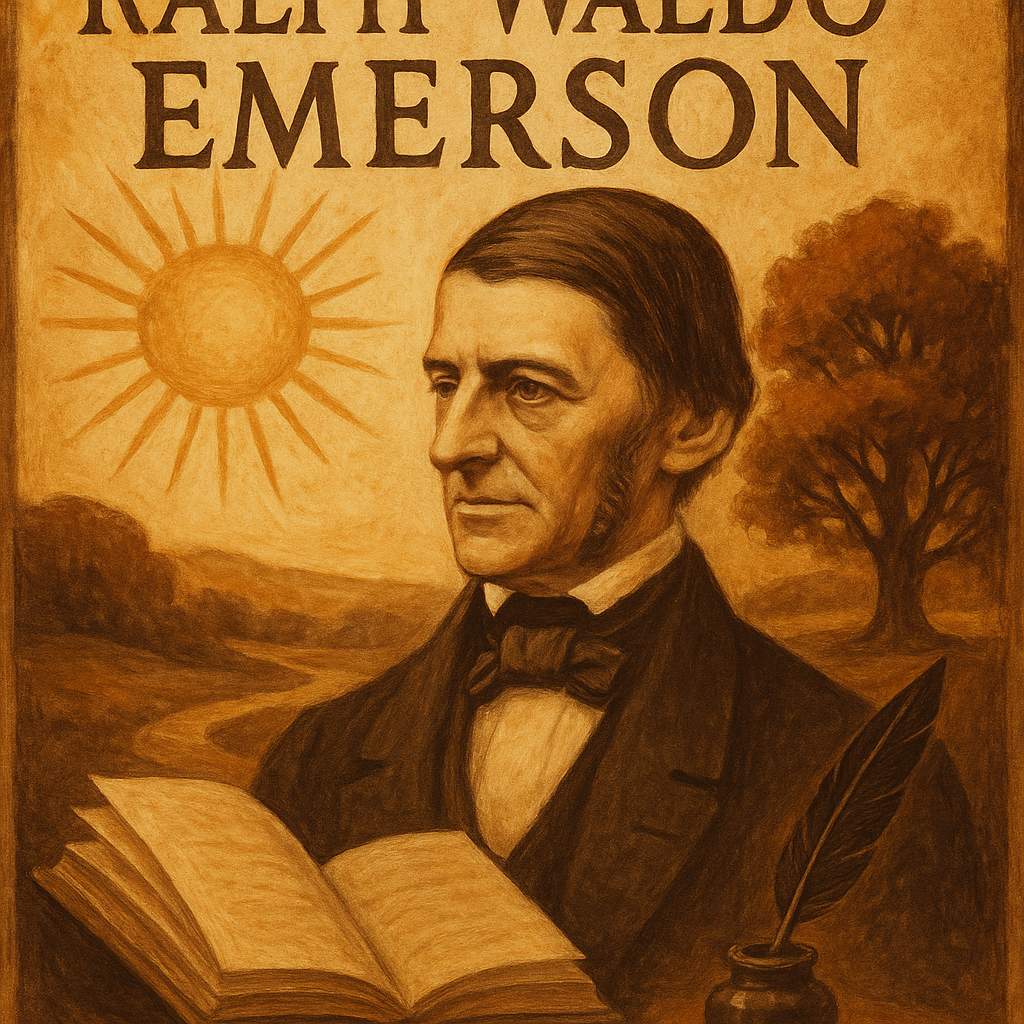
Ralph Waldo Emerson, a name synonymous with transcendentalism, has left an indelible mark on American literature and philosophy. Born on May 25, 1803, in Boston, Massachusetts, Emerson emerged as a beacon of individualism and self-reliance during a time when society was steeped in tradition and conformity. His eloquent thoughts and profound insights continue to resonate, making his quotes not just reflections of his time but timeless principles that inspire generations. This blog post delves into the life of Ralph Waldo Emerson, the meaning behind some of his most impactful quotes, and the legacy he left behind.
Emerson’s journey began in a humble setting. The son of a Unitarian minister, he was surrounded by literature and religious thought from an early age. He attended Harvard College, graduating in 1821, and later became a Unitarian minister himself. However, Emerson’s spiritual awakening led him to question traditional doctrines, ultimately resigning from his pastoral duties in 1832.
This pivotal moment marked the beginning of his embrace of transcendentalism, a philosophical movement that emphasized the inherent goodness of people and nature. Emerson believed that individuals could find truth through intuition and personal experience rather than through established institutions. His key works, including “Nature” (1836) and “Self-Reliance” (1841), laid the foundation for this new intellectual framework.
The influences of his contemporaries, including Henry David Thoreau and Margaret Fuller, enriched his thoughts, leading to vibrant discussions about individuality, society, and the natural world. Emerson’s connections with these figures fostered a community of thinkers who challenged societal norms and encouraged self-exploration.
Emerson’s quotes are profound reflections of his philosophy, each encapsulating his beliefs about humanity, nature, and the pursuit of truth. One of his most famous quotes, “To be yourself in a world that is constantly trying to make you something else is the greatest accomplishment,” resonates especially in today’s context. This statement highlights the importance of maintaining one’s individuality amid societal pressures. Emerson championed the idea that authenticity is a personal journey, underscoring the notion that true fulfillment comes from self-discovery rather than conformity.
Another striking quote, “What lies behind us and what lies before us are tiny matters compared to what lies within us,” speaks volumes about the power of introspection. Emerson believed that our inner strength and character define our lives far more than our past experiences or future uncertainties. This perspective encourages individuals to look inward, fostering a sense of empowerment and resilience that can guide them through life’s challenges.
His quote, “The only person you are destined to become is the person you decide to be,” further emphasizes the importance of choice and agency. Emerson’s philosophy teaches us that we are not merely products of our circumstances but rather architects of our own destinies. This empowering message serves as a reminder that we hold the keys to our futures and can shape our paths based on our decisions and aspirations.
Ralph Waldo Emerson’s influence extends far beyond his lifetime. His writings inspired a generation of American writers, poets, and thinkers, including Walt Whitman, Emily Dickinson, and even the modern civil rights movements led by figures such as Martin Luther King Jr. Emerson’s call for individual empowerment and social reform echoes through the ages, inspiring activists and leaders who strive for change.
The transcendentalist movement, which he played a pivotal role in popularizing, continues to influence contemporary literature, environmentalism, and philosophy. His belief in the interconnectedness of humanity and nature laid the groundwork for modern environmental thought, promoting a deeper understanding of our relationship with the world around us.
Emerson’s legacy is also palpable in the arts. His writings have been the foundation for countless works of art, literature, and music, demonstrating the enduring power of his ideas. As we continue to navigate a world filled with challenges and uncertainties, Emerson’s insights into self-reliance, individuality, and the importance of genuine connection remain profoundly relevant.
In reflecting on the life and works of Ralph Waldo Emerson, we find a wellspring of inspiration that urges us to explore our own paths with courage and authenticity. His quotes serve as guiding lights, illuminating the importance of individual thought, self-discovery, and the courage to stand apart from the crowd. As we strive to understand ourselves and the world around us, let us take to heart Emerson’s timeless wisdom—to embrace our unique identities, pursue our passions, and remain true to our inner selves. In doing so, we honor the legacy of Ralph Waldo Emerson, a true champion of the human spirit.