
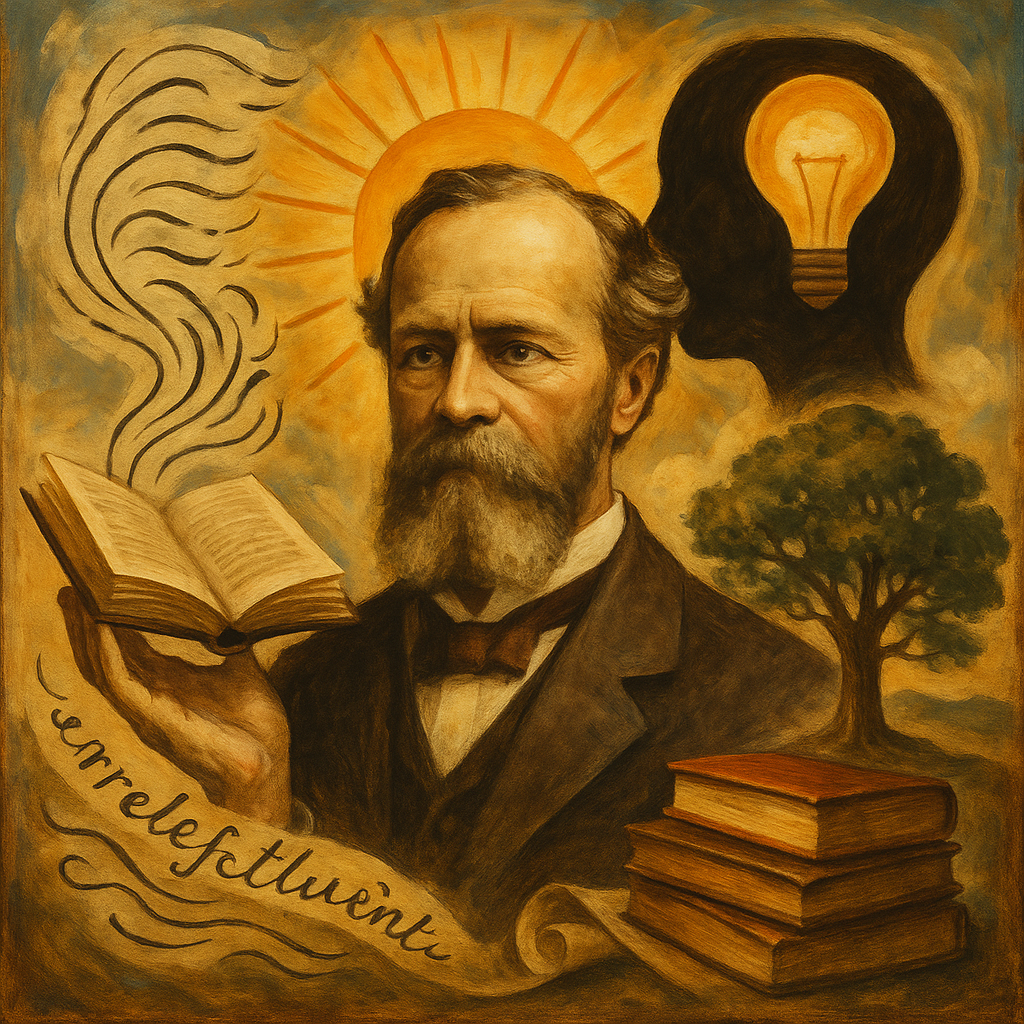
In the bustling world of psychology and philosophy, few names resonate as powerfully as that of William James. Often regarded as the father of American psychology, James’s contributions extend far beyond the confines of academia. His insightful observations about the human experience continue to inspire and challenge us today. As we dive into the life and legacy of this remarkable thinker, we’ll uncover the profound meaning behind some of his most impactful quotes.
Born on January 11, 1842, into a family steeped in intellectual fervor, William James was the oldest son of philosopher Henry James Sr. and brother to novelist Henry James. Growing up in a household where ideas flowed like a river, young William developed a curiosity about the human mind and existence that would shape his life’s work. After studying at Harvard University, where he would later teach, James became fascinated with the interplay between science and philosophy.
His early career was marked by struggle; he battled bouts of depression and wrestled with his ambitions. However, it was his interest in psychology—sparked by the emerging discipline in Europe—that would lead him down a path of groundbreaking discovery. In 1890, he published “The Principles of Psychology,” a seminal work that would establish him as a leading figure in the field. Here, he introduced concepts such as the stream of consciousness and the importance of free will, all while weaving a narrative that was accessible to both scholars and the everyday person.
James’s life was a tapestry of experiences, including extensive travels, relationships, and personal challenges. He became a noted lecturer, captivating audiences with his engaging style. His philosophy was pragmatic—arguing that ideas should be evaluated based on their practical consequences. This perspective would influence countless thinkers and pave the way for future psychological theories.
William James’s quotes reflect his profound understanding of the human condition. One of his most famous sayings, “The greatest use of a life is to spend it on something that will outlast it,” speaks volumes about his philosophy of purpose and legacy. James believed that true fulfillment comes not from individual achievements but from contributing to the greater good—an idea that resonates with many seeking meaning in a chaotic world.
Another powerful quote, “Act as if what you do makes a difference. It does,” encapsulates his pragmatic approach to life. James understood the weight of our actions and the ripple effect they can have on ourselves and those around us. His insights encourage individuals to embrace their agency, fostering a sense of responsibility and empowerment.
James’s exploration of belief also offers a window into his psyche. In his quote, “Belief creates the actual fact,” he emphasizes the transformative power of faith—whether in oneself, in others, or in a greater purpose. This idea aligns with his philosophical stance that our perceptions shape our realities, urging us to cultivate a mindset that fosters positivity and growth.
William James’s influence extends far beyond his lifetime. His work laid the foundation for modern psychology and has impacted fields as diverse as education, religion, and even literature. The philosophical framework he established continues to inspire contemporary thinkers and practitioners, emphasizing the importance of experience and empirical evidence.
Moreover, his writings on the nature of consciousness and personal identity have paved the way for future explorations into the self. The pragmatic school of thought he championed has found resonance in various movements, including existentialism and humanistic psychology. His belief in the interconnectedness of mind and body has also influenced holistic approaches to mental health, further solidifying his role as a pioneer.
As we reflect on William James’s legacy, it’s clear that his insights are timeless. His ideas encourage self-exploration and critical thinking, urging us to confront our beliefs and understand our place in the world. James’s emphasis on action, purpose, and the human experience continues to resonate, making him a vital figure in our ongoing pursuit of knowledge and understanding.
William James’s life was a remarkable journey through the complexities of the human experience, marked by exploration, introspection, and profound insight. His quotes serve as guiding lights, reminding us that our actions matter, our beliefs shape our realities, and the legacy we leave behind is tied to our contributions to the world.
In a time where uncertainty often reigns, James’s teachings encourage us to embrace our individuality while recognizing the collective tapestry of humanity. As we strive to carve our paths, let us carry forward his spirit of inquiry and compassion, reminding ourselves that, indeed, the greatest use of a life is to spend it on something that will outlast it—just as William James dreamed.