
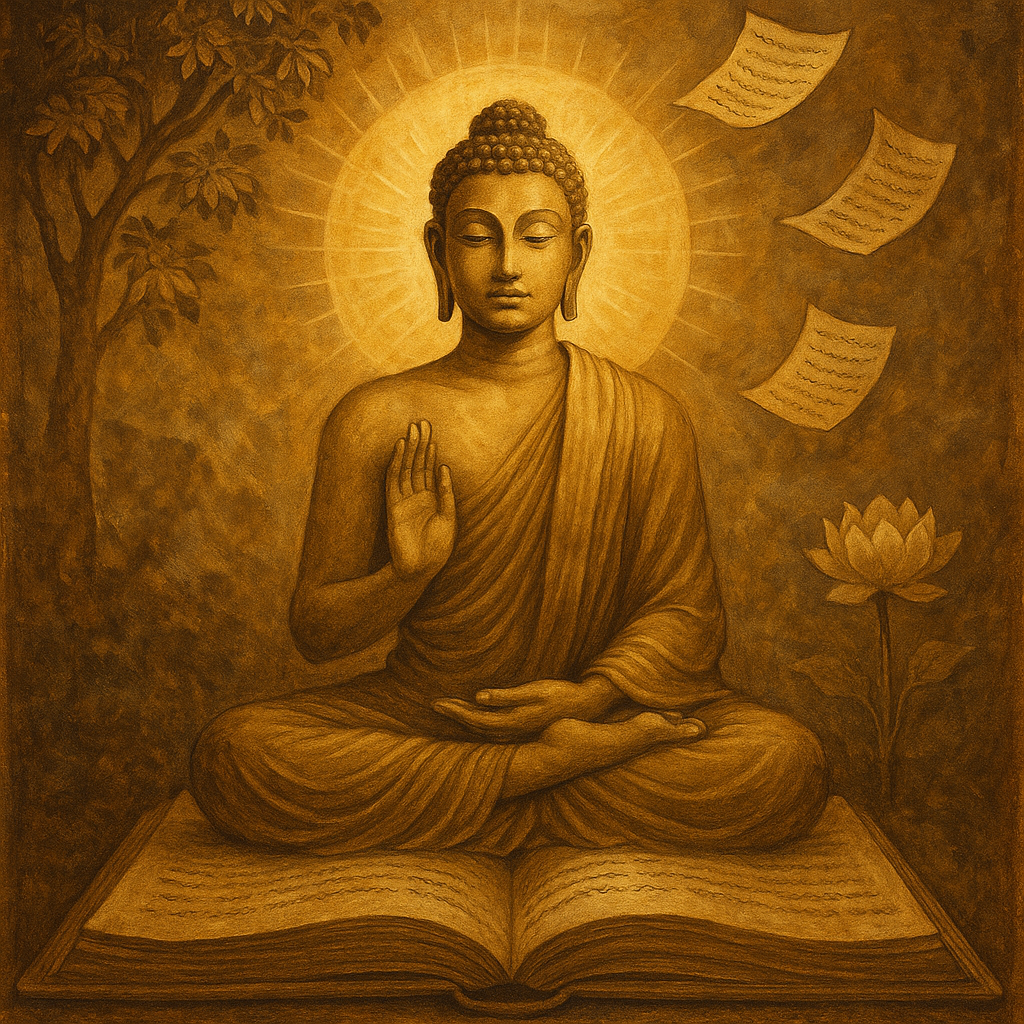
In a world that often feels chaotic and unpredictable, the teachings of Buddha offer a soothing balm to the soul. His life and words have inspired millions, guiding them through the complexities of existence with wisdom that transcends time. Born Siddhartha Gautama around the 5th century BCE, Buddha’s journey from a sheltered prince to an enlightened being is a compelling tale of self-discovery, compassion, and the quest for enlightenment. Join me as we explore the life of Buddha, the meaning behind his quotes, and the enduring legacy that continues to shape spiritual thought today.
Buddha was born into luxury, surrounded by the opulence of the Shakya clan in what is now modern-day Nepal. His father, King Śuddhodana, shielded him from the harsh realities of life, hoping to raise a son who would follow in his royal footsteps. However, Siddhartha was destined for a different path. After encountering sickness, old age, and death during his excursions beyond the palace walls, he experienced a profound awakening.
This pivotal moment led him to abandon his royal life in search of answers to the suffering that he saw permeating human existence. Siddhartha studied under various teachers, delving into rigorous ascetic practices before realizing that neither extreme luxury nor extreme deprivation was the answer. At the age of 35, under the Bodhi tree in Bodh Gaya, he attained enlightenment and became the Buddha, meaning “the Awakened One.”
The teachings that flowed from his enlightenment emphasized the Four Noble Truths and the Eightfold Path, forming the bedrock of Buddhism and providing a roadmap for those seeking inner peace and understanding. Buddha’s life serves as a testament to the power of introspection, resilience, and an unwavering commitment to seeking truth.
Buddha’s quotes are renowned for their simplicity and depth. Each phrase carries a message that resonates with the human experience, often touching on themes of suffering, mindfulness, and compassion. For instance, one of his most famous quotes, “The mind is everything. What you think you become,” encapsulates the core of his teachings on the power of thoughts.
This quote invites reflection on the significance of our mindset and how our thoughts can shape our reality. Buddha understood that our perceptions and beliefs lay the groundwork for our actions, which ultimately define our experiences. By cultivating a positive, mindful approach to life, we can steer our destiny toward enlightenment and fulfillment.
Another profound gem, “Peace comes from within. Do not seek it without,” reminds us that true serenity is not found in external circumstances but rather within ourselves. This sentiment resonates deeply in today’s fast-paced society, where distractions abound, urging us to look outward for happiness. Buddha’s wisdom encourages us to turn inward, cultivating stillness and self-awareness as a means to achieve lasting peace.
Buddha’s influence extends far beyond the boundaries of his time and place. His teachings ignited a spiritual revolution that has endured for over two millennia, inspiring countless individuals seeking enlightenment. Buddhism now flourishes in various forms across the globe, emphasizing mindfulness, compassion, and ethical living.
The legacy of Buddha is not just about the establishment of a religion but about the profound impact of his philosophy on countless lives. His teachings have influenced art, literature, and even modern psychology, with concepts like mindfulness gaining traction in therapeutic settings. The phrase “mindfulness,” which encourages living in the present moment, is a direct reflection of Buddha’s teachings and serves as a reminder of the importance of awareness in our daily lives.
In a world that can feel disconnected, Buddha’s message of compassion and interconnectedness offers a powerful antidote. His emphasis on understanding the suffering of others encourages us to cultivate empathy and kindness, qualities that are essential in today’s society.
As we reflect on the life of Buddha and the meaning of his quotes, we are reminded of the profound simplicity that underlies his teachings. Each word is an invitation to explore our inner selves, to question our thoughts, and to cultivate peace and compassion. In a time when distractions are abundant and the pace of life feels relentless, Buddha’s wisdom stands as a beacon, guiding us back to our true selves.
Let us embrace the teachings of Buddha, allowing them to inspire us in our pursuit of a life filled with mindfulness and compassion. In doing so, we honor not just his legacy but also the potential within each of us to cultivate a deeper understanding of ourselves and the world around us. As we navigate our own paths, may we always remember that, like Buddha, we too can awaken to the beauty and truth that life has to offer.