
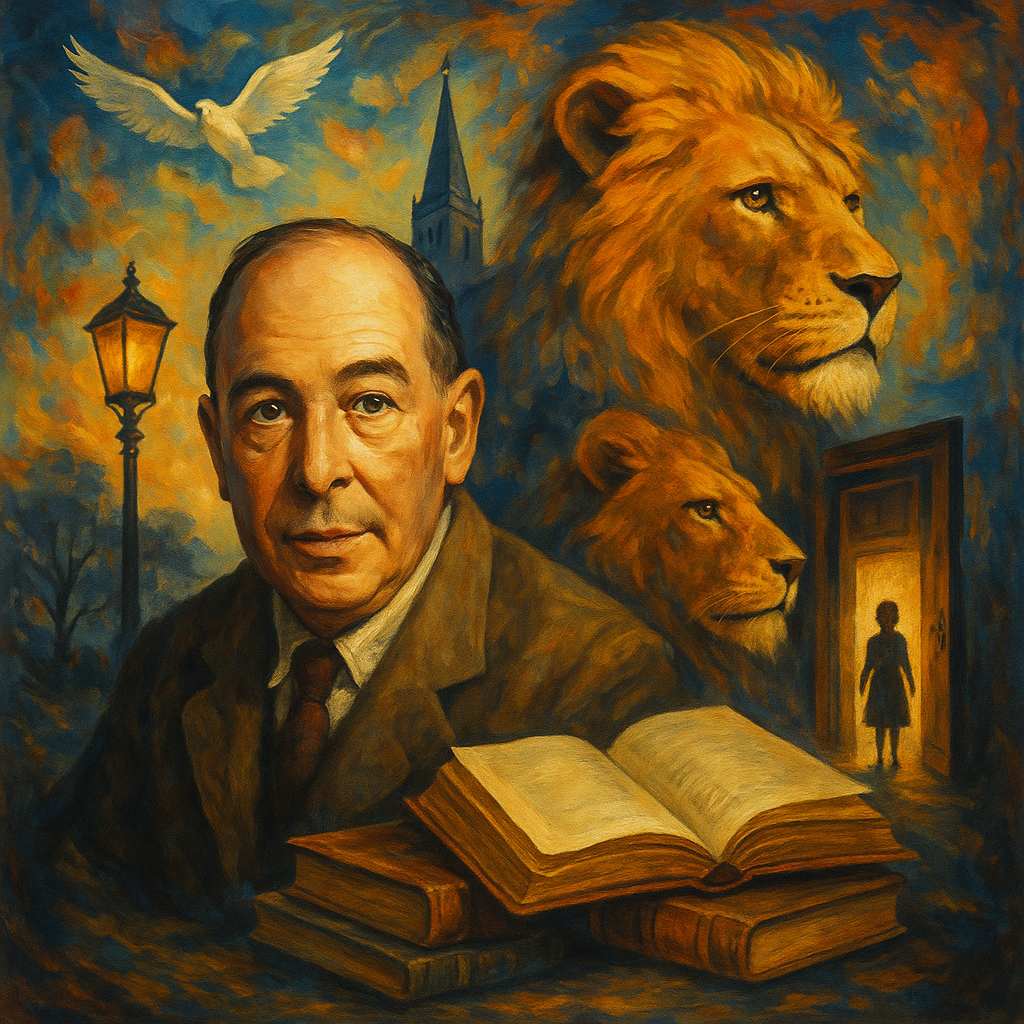
C. S. Lewis, a name synonymous with imagination and faith, carved a distinctive niche in literature that transcends time and genre. Whether through his enchanting tales of Narnia or deeply reflective theological writings, Lewis invites us into a world where the complexities of life are articulated with profound simplicity. As we journey through his remarkable life and the essence of his quotes, we unearth not just the words of a writer but the heartbeat of a thinker whose legacy continues to inspire.
Clive Staples Lewis, affectionately known as Jack, was born on November 29, 1898, in Belfast, Ireland. Raised in a household where books were cherished, it was clear from an early age that Lewis had an affinity for storytelling. After experiencing the tragic loss of his mother at a young age, he developed a keen sense of loss and longing, themes that would resonate throughout his works.
Lewis’s academic prowess shone brightly at Oxford University, where he initially studied classical literature before shifting his focus to philosophy. His experiences in World War I profoundly affected him, instilling a deep sense of faith that would later form the backbone of his literary and theological endeavors. After the war, Lewis returned to academia, ultimately becoming a fellow and tutor of English literature at Magdalen College, Oxford.
His literary career took flight in the 1930s with the publication of “The Pilgrim’s Regress,” but it was his later works, including “The Chronicles of Narnia” and “Mere Christianity,” that solidified his stature as one of the most influential writers of the 20th century. Lewis’s ability to meld fantasy with intricate theological discussions made his writing accessible, inviting readers to explore complex ideas wrapped in engaging narratives.
One of Lewis’s most compelling quotes is: “You can make anything by writing.” This statement encapsulates not only his belief in the power of words but also his understanding of the creative process. To Lewis, writing was not merely a craft; it was a pathway to understanding oneself and the world. This perspective resonates with those who find solace in creativity, reminding us that through the act of writing, we can shape our realities and explore our innermost thoughts.
Another poignant quote from Lewis is: “Courage, dear heart.” This phrase, uttered by Aslan in “The Voyage of the Dawn Treader,” serves as a comforting reminder of the bravery required in the face of life’s challenges. It reflects Lewis’s own struggles with fear and doubt, especially during his earlier years. By urging his characters—and, indeed, his readers—to find courage, Lewis demonstrates that vulnerability can coexist with strength, a theme that strikes a chord with many navigating their own personal trials.
In examining C. S. Lewis quotes, we uncover a tapestry of wisdom that speaks to the complexities of human experience. His writings encourage us to confront our fears, embrace our creativity, and seek out truth amidst the chaos of modern life. His words continue to resonate because they remind us that we are not alone in our struggles.
C. S. Lewis’s influence extends far beyond the pages of his books. His work has inspired countless readers, writers, and theologians. The Chronicles of Narnia, with its rich allegorical elements, has been a gateway for children into the realms of faith, morality, and imagination. Through these stories, Lewis captured the hearts of multiple generations, teaching valuable lessons about bravery, friendship, and the eternal battle between good and evil.
Moreover, his theological writings, especially “Mere Christianity,” have shaped the discourse surrounding faith and morality. Lewis’s ability to articulate complex ideas in a relatable manner has made him a beloved figure in Christian literature. His exploration of belief, doubt, and the human condition continues to resonate with those searching for answers in a tumultuous world.
As we reflect on Lewis’s life and his enduring quotes, we remember that his legacy is not merely about the works he left behind but about the inspiration he ignited within others. His words continue to challenge us to think deeply, act thoughtfully, and approach life with both heart and courage.
C. S. Lewis once said, “What you see and what you hear depends a great deal on where you are standing. It also depends on what sort of person you are.” This quote invites us to reflect on our perspectives and the importance of openness in our lives. As we stand on the shoulders of this literary giant, may we embrace his wisdom, allowing his journey and words to illuminate our own paths. Through his life and legacy, Lewis reminds us that in the exploration of faith, imagination, and courage, we can craft our narratives and perhaps change our worlds, one word at a time.