
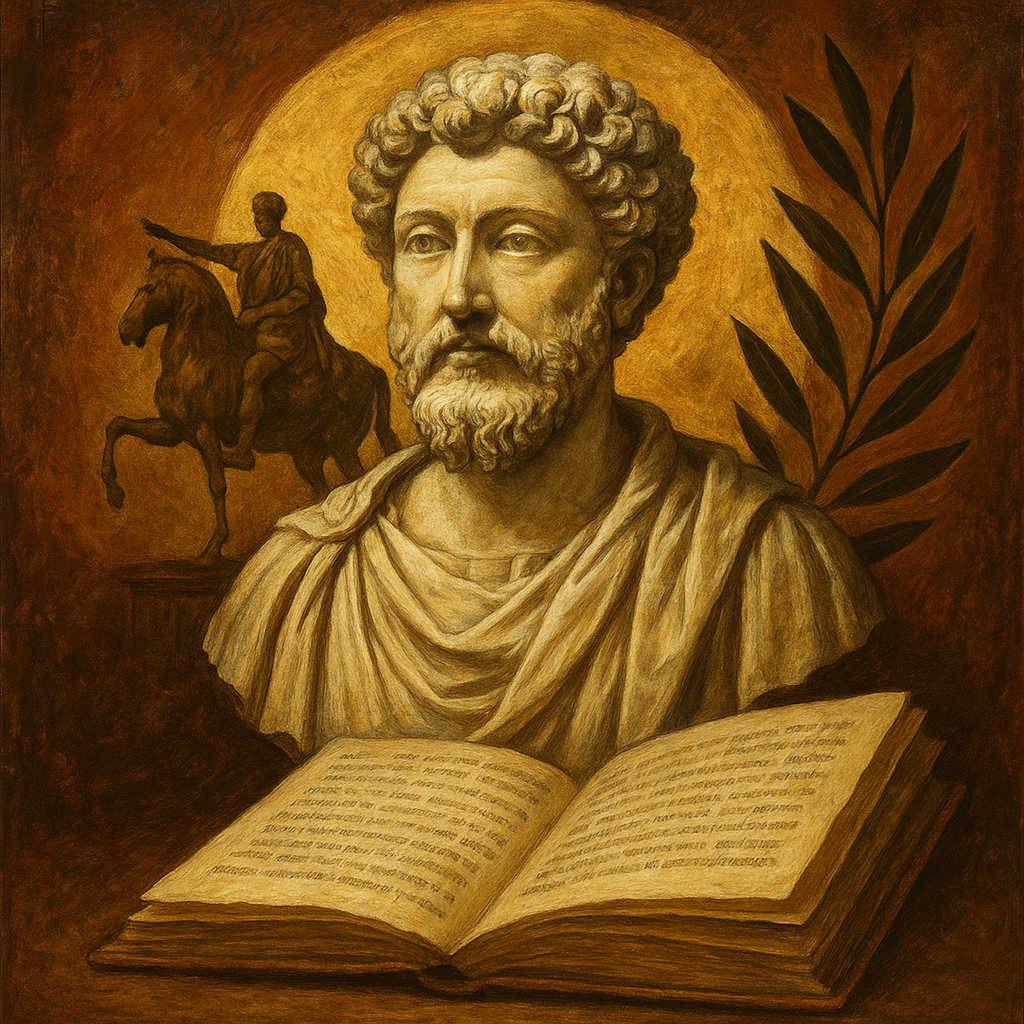
Nestled within the annals of history lies a figure whose thoughts resonate as powerfully today as they did centuries ago—Marcus Aurelius. Known as the philosopher-king, this Roman emperor was not only a leader of men but also a beacon of Stoicism, offering insights that inspire resilience and clarity in the face of life’s challenges. His life and teachings remind us that even in positions of great power, the mind and spirit must be cultivated and guided with wisdom. As we delve into the life of Marcus Aurelius, we will unpack the meanings behind some of his most poignant quotes and explore the legacy he left behind.
Marcus Aurelius was born in 121 AD into a prominent Roman family. His early life was steeped in the privilege of the aristocracy, but he was equally surrounded by the teachings of philosophy, which would shape his character and reign. Introduced to Stoicism, a school of thought that emphasizes reason, self-control, and virtue, Marcus found solace in its principles. Under the tutelage of esteemed philosophers such as Junius Rusticus, he developed a contemplative life that he would carry into his role as emperor.
Ascending to the throne in 161 AD, Marcus Aurelius faced numerous challenges, including wars, plagues, and political strife. Despite the pressures of leadership, he remained committed to his Stoic principles. His personal writings, collected in a work known as “Meditations,” highlight his introspection and dedication to self-improvement. These reflections offer a glimpse into his struggles, thoughts, and the philosophies that guided him.
Marcus Aurelius is renowned for his ability to distill profound wisdom into concise, memorable phrases. One of his most famous quotes, “You have power over your mind—not outside events. Realize this, and you will find strength,” serves as a powerful reminder of the importance of perspective. In a world filled with chaos and uncertainty, Aurelius teaches us that the true source of our strength lies within us. By focusing on our thoughts and reactions, we free ourselves from the tumult of external circumstances.
Another noteworthy quote, “The impediment to action advances action. What stands in the way becomes the way,” highlights the Stoic belief that challenges can serve as opportunities for growth. Rather than viewing obstacles as hindrances, Aurelius encourages us to embrace them, suggesting that our struggles can propel us toward greatness. This perspective fosters resilience, reminding us that adversity can indeed be a catalyst for progress.
As we reflect on these quotes, it becomes clear that Marcus Aurelius’s teachings extend beyond the realm of ancient philosophy; they echo through time, providing guidance for modern-day challenges. His wisdom invites us to look inward, cultivate our virtues, and find strength amidst difficulties.
Marcus Aurelius passed away in 180 AD, leaving behind not only a legacy of leadership but also a treasure trove of philosophical insights. His influence can be felt across centuries, impacting thinkers, writers, and leaders alike. The principles of Stoicism he championed have inspired countless individuals to navigate their own lives with courage and grace.
In contemporary society, the teachings of Marcus Aurelius find relevance in the fields of psychology, self-help, and personal development. His ideas on mindfulness and resilience resonate widely, as people seek ways to cope with the fast-paced, often turbulent nature of modern life. The popularity of Stoic practices, such as journaling and meditation, reflects a collective yearning for the introspective wisdom that Aurelius embodied.
Moreover, his writings continue to be explored in academic and literary circles, ensuring that his thoughts remain alive in our collective consciousness. As we engage with his philosophy, we are challenged to introspect, adapt, and grow, thus perpetuating the cycle of wisdom that Marcus Aurelius so passionately advocated.
In a world where uncertainty and chaos often reign, the life and quotes of Marcus Aurelius serve as a timeless guide for navigating life’s complexities. His legacy is not just one of power and leadership, but of mindfulness, virtue, and resilience. As we strive to cultivate these qualities within ourselves, we would do well to heed the wisdom of this Stoic emperor.
So, let us embrace the power of our minds, confront our obstacles with courage, and recognize that the path to growth lies in our responses to life’s challenges. In doing so, we honor Marcus Aurelius’s legacy and continue the journey toward becoming the best versions of ourselves. After all, as he so eloquently put it, “The happiness of your life depends upon the quality of your thoughts.” Let us strive for excellence in our own thoughts and actions, carrying forward the light of his teachings into the future.